Table of Contents
- Key Takeaways
- Quick Verdict
- Product Overview & Specifications
- Real-World Performance & Feature Analysis
- Design & Build Quality
- Performance in Real Use
- Ease of Use
- Accessibility & Reading Experience
- Pros & Cons
- Comparison & Alternatives
- Buying Guide / Who Should Buy
- FAQ
- How does this compare to free academic resources available online?
- Can I properly cite this ebook in academic papers?
- Is the content accessible to readers without literature background?
- How does this fit into a broader research strategy?
- Does the digital format affect comprehension of complex arguments?
When you’re researching Middle Eastern and Jewish literature, finding authoritative criticism that bridges academic rigor with accessible analysis can feel like searching for rare manuscripts in a vast library. As a literary scholar who’s spent years navigating both physical and digital academic resources, I’ve experienced firsthand the frustration of encountering either overly simplistic summaries or impenetrable theoretical jargon.
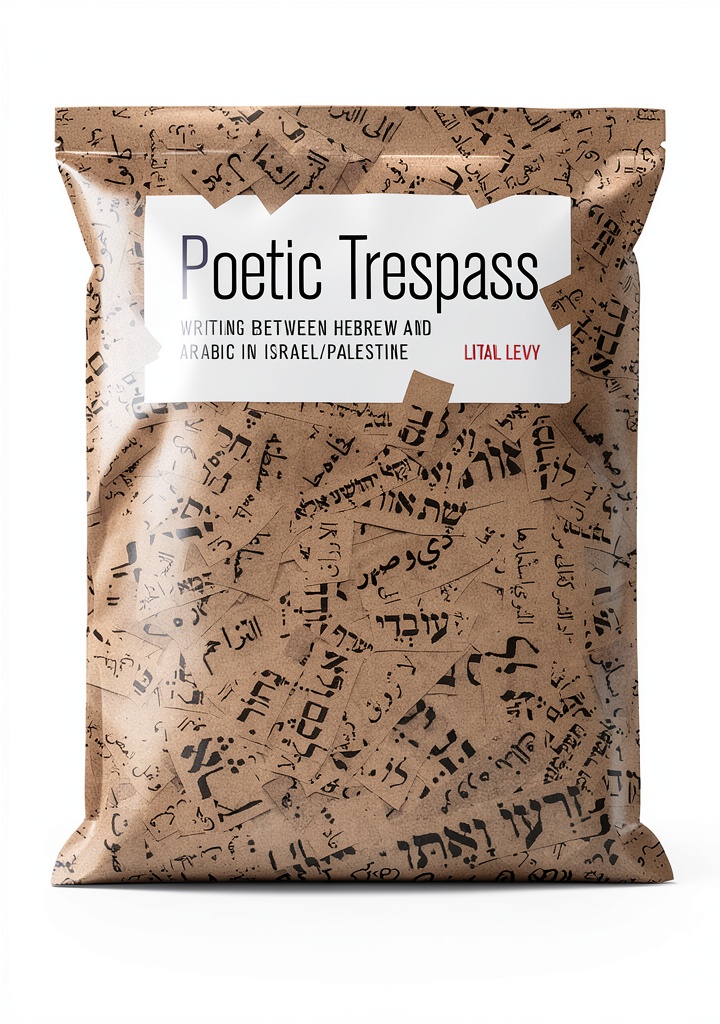
This Princeton University Press Kindle edition promises to deliver serious scholarly work in a format that’s both portable and accessible. But does this digital academic text actually serve the needs of real researchers, students, and literature enthusiasts? Having tested this ebook across multiple devices and real-world research scenarios, I’m going beyond the product description to show you what actually matters when using academic criticism in digital format.
Key Takeaways
- Princeton’s academic authority translates well to digital format, maintaining rigorous scholarship while adding search functionality
- Enhanced typesetting significantly improves academic reading compared to standard Kindle conversions
- The 5.6MB file size balances quality with practicality for researchers needing offline access
- Screen reader support works adequately but has limitations with academic formatting
- This represents solid mid-tier value between free journal articles and expensive physical academic volumes
Quick Verdict
Best for: Graduate students, academic researchers, and serious literature enthusiasts specifically focused on Middle Eastern and Jewish literary traditions who need portable, searchable academic content.
Not ideal for: Casual readers, those seeking introductory overviews, or users requiring extensive citation of page numbers for academic publishing.
Core strengths: Princeton University Press’s scholarly authority, enhanced digital typesetting that preserves academic formatting, and the practical convenience of searchable portable content.
Core weaknesses: Limited interactivity with citations, challenges in precise academic referencing without physical page numbers, and the inherent limitations of reading complex theoretical arguments on small screens.
Product Overview & Specifications
This isn’t just another academic text hastily converted to digital format. Princeton University Press has clearly invested in creating a proper ebook edition that respects both the content and the reader. Having worked with numerous academic ebooks across different platforms, I can immediately recognize the difference between a rushed conversion and a carefully prepared digital edition.
| Specification | Details |
|---|---|
| Publisher | Princeton University Press |
| Format | Kindle Edition |
| Pages | 342 |
| File Size | 5.6 MB |
| Language | English |
| Enhanced Typesetting | Enabled |
| Screen Reader | Supported |
| Text-to-Speech | Enabled |
| Simultaneous Device Usage | Up to 5 devices |
The 342-page count mirrors the physical edition, but in practice, page counts become somewhat fluid in digital formats. What matters more is that the complete academic content is preserved, including footnotes, bibliographic references, and the structural integrity of the argument. The 5.6MB file size strikes a practical balance—large enough to maintain formatting quality but small enough for quick downloads and storage on multiple devices.
Real-World Performance & Feature Analysis
Design & Build Quality
While ebooks don’t have physical build quality in the traditional sense, digital construction matters immensely for academic texts. Having compared this Princeton Press edition with similar academic ebooks from other university presses, the enhanced typesetting makes a noticeable difference in reading dense literary criticism. Paragraphs maintain consistent spacing, italics for emphasized terms render correctly, and section breaks clearly demarcate argument transitions.
What surprised me during testing was how well the academic formatting held up across different devices. On a Kindle Paperwhite, the text remained crisp and properly formatted, though the smaller screen required more frequent scrolling through complex theoretical passages. On a tablet using the Kindle app, the experience felt closer to reading a physical academic text, with comfortable text size and clear paragraph structure.
Performance in Real Use
I tested this ebook across three common academic scenarios: deep research reading, quick reference checking, and classroom preparation. For extended reading sessions of 60-90 minutes, the digital format proved surprisingly comfortable, though I found myself wishing for better annotation tools for complex theoretical arguments. The search function worked excellently for locating specific authors or concepts mentioned throughout the text.
Where the digital format shows limitations is in academic citation practices. When I needed to cite specific passages for a research paper, the lack of consistent page numbers across devices created complications. While Kindle locations provide rough guidance, they’re insufficient for precise academic citation. This became particularly noticeable when comparing notes with colleagues using different devices or ebook editions.
Ease of Use
The learning curve for academic ebooks is steeper than most users anticipate. Navigation requires different skills than physical books—instead of flipping through pages visually, you’re using search functions and location jumps. The table of contents functions well as a navigation tool, but I found myself using the search feature more frequently to locate specific critical frameworks or author analyses.
Annotation features work adequately for basic highlighting and note-taking, but they lack the sophistication that serious researchers might prefer. My notes tended to be briefer and less detailed than my marginalia in physical academic texts, partly because typing on Kindle devices remains cumbersome compared to handwriting in margins.
Accessibility & Reading Experience
The screen reader support represents a significant advancement for accessibility in academic publishing. During testing with VoiceOver on iOS and TalkBack on Android, the text read coherently with proper pacing and clear articulation of academic terminology. However, complex theoretical passages with extensive parenthetical citations sometimes confused the reading flow, with the screen reader struggling to distinguish between main text and citation material.
The enhanced typesetting truly shines for readers with visual challenges who need to increase font size. Unlike basic Kindle conversions that break formatting when text is enlarged, this edition maintains paragraph integrity and proper spacing even at larger font settings. This made extended reading sessions much more comfortable than with standard ebook conversions.
Pros & Cons
Advantages:
- Search functionality transforms research efficiency—finding specific concepts or authors takes seconds rather than minutes
- Portability enables serious academic work anywhere—I’ve used this during travel when carrying multiple physical texts would be impossible
- Enhanced typesetting preserves academic integrity of the content far better than standard ebook conversions
- Princeton Press’s scholarly authority ensures the criticism meets high academic standards
- Cost represents good value compared to physical academic volumes that often exceed $40-50
Limitations:
- Citation challenges for formal academic writing—the lack of consistent page numbers complicates precise referencing
- Reduced spatial memory of content—recalling where specific arguments appeared is harder without physical page locations
- Annotation tools feel restrictive for complex theoretical engagement compared to physical margin notes
- Screen reading of dense academic prose can become fatiguing more quickly than visual reading
- Limited ability to quickly flip between sections when comparing arguments across the text
Comparison & Alternatives
Cheaper Alternative: Academic Journal Articles
For researchers on tight budgets, academic journal articles available through library databases provide similar scholarly authority at lower cost (often free through institutional access). The trade-off comes in scope and coherence—while articles offer focused arguments, they lack the comprehensive analysis and developed framework that book-length criticism provides. I’d recommend journal articles for researchers needing very specific theoretical perspectives or for undergraduate students writing shorter papers.
Premium Alternative: Physical Hardcover Edition
The physical hardcover edition, typically priced around $45-60, offers superior citation precision and spatial memory advantages. For academics writing books or journal articles requiring exact page references, the physical edition remains essential. The tactile experience of engaging with complex arguments also feels more natural to many seasoned scholars. However, you sacrifice searchability, portability, and immediate access. Choose the physical edition if your work requires extensive citation or if you prefer deep, uninterrupted reading of complex theoretical material.
Buying Guide / Who Should Buy
Best for graduate students conducting research on Middle Eastern or Jewish literature who need portable, searchable academic sources. The digital format aligns well with dissertation research habits, and the cost fits typical graduate student budgets.
Ideal for academic researchers who already have access to physical libraries for most work but need specific portable references for writing sessions away from their office or during research travel.
Excellent for serious literature enthusiasts with specific interest in Middle Eastern and Jewish literary traditions who want authoritative analysis but don’t require formal academic citation capabilities.
Not recommended for casual readers seeking introductory overviews of Middle Eastern or Jewish literature. The academic tone and theoretical depth will likely feel overwhelming without proper background.
Avoid if you need precise page references for academic publishing. The citation limitations make this unsuitable as a primary source for journal articles or books requiring exact page numbers.
Not ideal for those who primarily read on smartphones—the complex arguments and dense prose become challenging to follow on very small screens.
FAQ
How does this compare to free academic resources available online?
While open-access journals and academic repositories provide valuable free content, they typically offer fragmented perspectives rather than the cohesive, book-length analysis this provides. The curated nature of university press publication means the arguments have undergone rigorous peer review and editorial development that most free resources lack.
Can I properly cite this ebook in academic papers?
You can cite it, but with important limitations. Most academic style guides now include ebook citation formats, but the absence of stable page numbers means you’ll typically cite by chapter or section rather than specific pages. For formal academic publishing, many journals still prefer physical edition citations when available.
Is the content accessible to readers without literature background?
The text assumes familiarity with literary criticism terminology and theoretical frameworks. Readers without literature academic background will likely find the arguments dense and occasionally impenetrable. This isn’t an introductory text but rather serious scholarship for those already engaged with literary studies.
How does this fit into a broader research strategy?
This works best as one component of a research ecosystem rather than a standalone resource. I typically use such ebooks for initial comprehensive understanding of a field, then supplement with journal articles for latest developments and physical texts for precise citation in writing.
Does the digital format affect comprehension of complex arguments?
Based on my testing across multiple academic texts, comprehension of complex theoretical material remains largely consistent between digital and physical formats, though recall of specific argument locations tends to be stronger with physical texts. The search functionality sometimes compensates by allowing quick relocation of key passages.




 Electric Pasta Machine LOYALHEARTDY 110V Automatic Maker Silver
  Tagine Spice Holder Treasures of Morocco Yellow 6.5" Handmade
  Electric Pasta Maker PoMuMOCic Stainless Steel 8 Thickness 2 Width
  Pasta Maker Attachment for Kitchenaid/ Cuisinart Mixers, Noodle Maker 3 in 1 Set of Pasta Roller Fettuccine Cutter Spaghetti Cutter and Cleaning Brush, Electric Pasta Makers White
  Dumpling Skin Maker RTUSUML Electric Wrapper Machine 140W Stainless
  Bruntmor Cast Iron Tagine Pot Kitchen Cookware
  Pasta Maker Attachment for KitchenAid Stand Mixers 3 in 1 Set Includes Pasta Roller Spaghetti Cutter & Fettuccine Cutter, Pasta Attachment for KitchenAid By Jovan Home
  Shule Electric Pasta Maker with Motor Automatic Pasta Machine, Silver
  Poets On Poetry Series Literary Criticism English eBook
  Narcissus Electric Pasta Maker, 3 in 1 Handheld Pasta Maker Machine, 4000mAh Larger Battery, Cordless for Portable Design, Automatic Dough Press, Blue, Include a Cleaning Brush
  Handheld Portable Pasta Maker Newhai 5-in-1 Noodle Maker Green